
More Than Multiple Myeloma: Illuminating the Power of Advocacy
One person’s journey to learn more inspired her to give back.
.png)
Regeneron
March 06, 2026
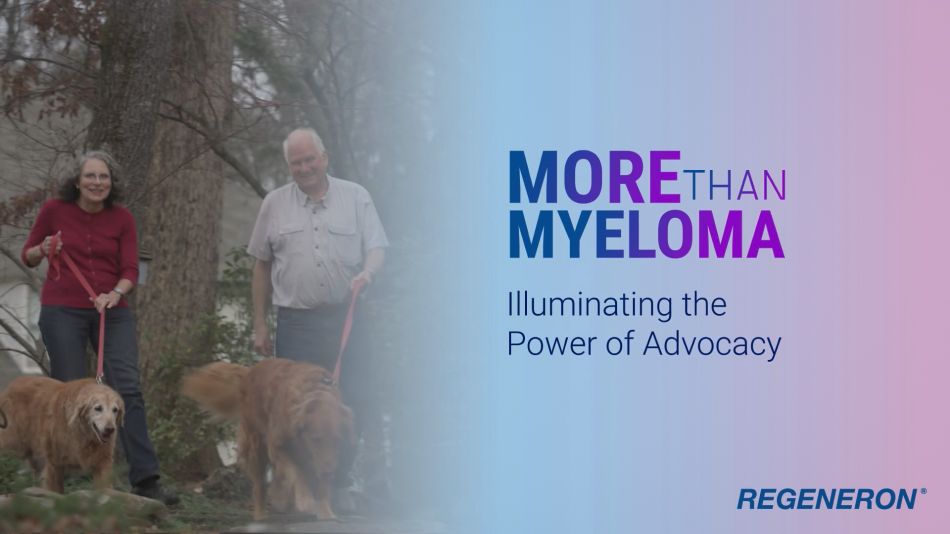
When Linda received her multiple myeloma (MM) diagnosis, she had no idea what it was. She had never heard about MM and didn’t know the first thing about blood cancers. Her more than 15-year journey with this incurable disease has been filled with relapses and setbacks, but since the day of her diagnosis, she held on to knowing there was something she could do about it. Thanks to her self-advocacy alongside continued research advances, MM is just one facet within her otherwise vibrant life. In her own words, Linda shares what it’s like to live with MM and how she’s been able to transform her diagnosis into an informed, empowered way of living.
About Multiple Myeloma
MM is a type of blood cancer that affects plasma cells whose uncontrolled growth can crowd out healthy blood cells in the bone marrow, infiltrate other tissues and cause potentially life-threatening organ issues.1 MM can present differently from one person to the next and is challenging to diagnose as symptoms – such as bone pain, bone fractures and lesions, constant tiredness and fatigue, as well as kidney problems and elevated calcium levels – can often be missed in the early stages and there are no recommended screening tests.1,2 As the second most common blood cancer, there are over 187,000 new cases of MM diagnosed globally every year, with an estimated 36,000 new cases in the U.S. in 2026.3,4 Despite advances in scientific research and treatment, MM remains incurable and while current treatments are able to slow progression of the disease, most will ultimately experience cancer progression and require additional therapies.5
#MoreThanMyeloma
Linda was diagnosed in 2010 at 46 years old, which is about 20 years younger than the average person receiving a MM diagnosis.6 Once she was underway with her first treatment, she was recommended to attend a local support group hosted by the International Myeloma Foundation (IMF) and meet others like her. Linda was initially skeptical about joining assuming it would be a purely emotional forum, defined by shared grief. Despite her apprehension, she attended with her husband and was encouraged to see others living full lives with MM.
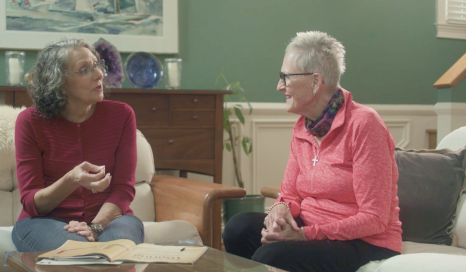
When the opportunity arose to lead the support group, Linda and her husband decided together that they wanted to pay it forward and grant that same sense of assurance they felt from that first meeting to others. Their group meets monthly and together they offer emotional and educational support and have become trusted advisors for many living with MM.
Research Driving Hope
To be an informed support group leader, Linda is committed to staying on top of the latest advancements. She attends research presentations, bringing updates to the members of her support group. “It’s always been important to me to be an educated patient. It gives me some sense of control over myeloma, which ultimately, I know I have only limited control over,” Linda says. “But being educated about it, knowing what my options are, has made me feel better, and I think it leads to better discussions with my doctors.”
When reflecting on how much research in MM is happening around the world, she feels hope. And is thankful to the dedication of those working in the space as it fuels scientific advancements that offer possibilities for many living with MM.
Making Progress Together
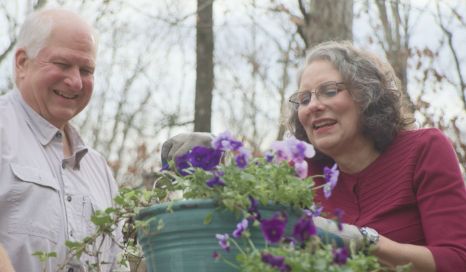
For people living with MM and their loved ones, there are so many incredible resources for education and support. Patient advocacy groups are a great place to start as they offer a range of resources from foundational disease education to conducting and publishing original research to advising on policy as well as networks connecting community members to clinical trials, specialists, or each other.
A number of independent organizations provide education, advocacy, research funding, and support resources for people living with MM, as well as their caregivers and families.
Check out some of the organizations that are helping empower those living with MM below:*
- Blood Cancer United: Blood Cancer United is a coalition of nonprofit patient advocacy organizations working to improve outcomes for people affected by blood cancers through education, collaboration, and advocacy initiatives that amplify patient and caregiver voices.
- Cancer Support Community: Cancer Support Community offers free emotional support, education, and resources for people impacted by cancer, including individuals living with multiple myeloma and their caregivers.
- Healthtree: Healthtree University has all the information a patient needs to be informed and in charge of their care. It is the first and only free comprehensive curriculum for cancer patients and their caregivers, backed by the top doctors in the field.
- International Myeloma Foundation (IMF): The International Myeloma Foundation fosters patient support groups that provide a knowledge base, empowering the leaders to support their local communities.
- International Myeloma Society (IMS): The International Myeloma Society is a global professional and scientific organization dedicated to advancing myeloma research, education, and collaboration among clinicians, researchers, and patient advocates worldwide.
- Multiple Myeloma Hub: Multiple Myeloma Hub provides scientific and educational content focused on research developments and clinical updates in multiple myeloma for healthcare professionals and patient audiences.
- Multiple Myeloma Research Foundation (MMRF): Multiple Myeloma Research Foundation provides those living with MM and caregivers the opportunity to connect one-on-one with trained mentors who share their personal experiences to help inform, activate, empower, and support.
- Myeloma Patients Europe (MPE): Myeloma Patients Europe hosts an annual Masterclass, which includes scientific and advocacy sessions led by pre-eminent experts from across Europe. The class aims to increase the knowledge and skills of patient advocates, share the latest updates in diagnosis and treatment, and discuss the concerns and challenges faced by the patient community. This offering also provides a forum to exchange successful strategies and best practices to meaningfully bring the patient perspectives forward.
*Note: The organizations listed are independent nonprofit organizations. Their inclusion on this page is for informational purposes only and does not imply endorsement of Regeneron or any specific product.
References:
- Jagannath S. J Manag Care Pharm 2008; 14(7 Suppl): 7–11.
- Rajkumar SV. Am J Hematol 2024; 99(9): 1802–1824.
- Multiple Myeloma. Global Cancer Observatory, World Health Organization. (2022). https://gco.iarc.who.int/media/globocan/factsheets/cancers/35-multiple-myeloma-fact-sheet.pdf.
- Cancer facts & figures 2026. American Cancer Society. https://www.cancer.org/research/cancer-facts-statistics/all-cancer-facts-figures/2026-cancer-facts-….
- Dimopoulos MA et al. Ann Oncol 2021; 32(3): 309–3226.
- The Lancet. The epidemiological landscape of multiple myeloma: a global cancer registry estimate of disease burden, risk factors, and temporal trends. Accessed February 4, 2026. https://www.thelancet.com/journals/lanhae/article/PIIS2352-3026(22)00165-X/abstract#%20.
Share this story


More Regeneron Stories
.jpg)
10 Years of Impact Through Our Global Volunteer Initiative
As Day for Doing Good enters its second decade, we reflect on what it has meant to colleagues and communities.
October 19, 2026
Tapping into Real-World Data for Positive Human Impact
Join us for the latest episode of The Nucleus, exploring how real-world data and genomic insights can improve health.
October 14, 2026
.jpg)
Research & Preclinical Development
A Mission Rooted in Neuroscience
Guided by a founding commitment, powerful insights and novel scientific approaches, we're aiming to address some of the most complicated conditions.
September 25, 2026