
Rethinking Thrombosis Prevention
Researching a new approach to decrease bleeding risk.

David Gutstein, MD
Vice President, Global Program Head, Hematology
March 27, 2026
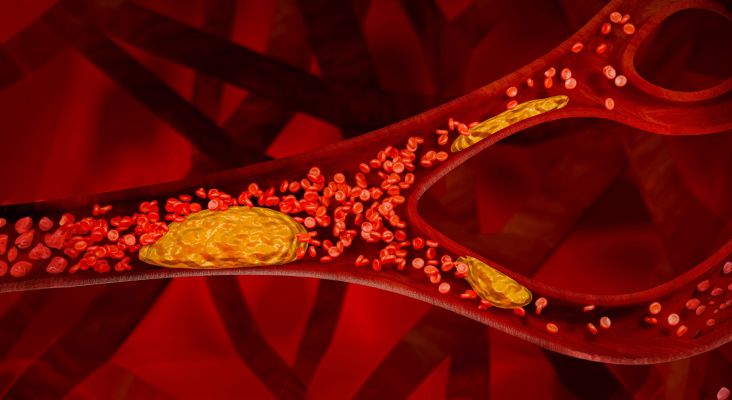
Blood clotting is one of the body’s most essential, protective mechanisms. Our blood stays liquid as it circulates and quickly thickens into a clot when exposed to air to stop the bleeding. Without this process, minor bleeding could become life-threatening. But when a blood clot forms abnormally in circulation, through a process called thrombosis, it can be dangerous, or even deadly.
Currently available medicines are effective at preventing abnormal clotting in the blood stream, but are associated with an elevated risk of bleeding, which is an area of unmet need for certain patients.
At Regeneron, we are researching thrombosis prevention with bleeding risk in mind and advancing two novel investigational antibodies with distinct profiles in clinical trials. Our vision is that doctors may have the option to choose between these two antibodies to tailor therapy to individual patients’ needs and risk considerations.
When Clotting Becomes Harmful
Certain situations increase the risk of abnormal clots forming within the blood stream, including irregular heart rhythms, atherosclerosis, major surgery, cancer treatment, immobility, and some chronic conditions.
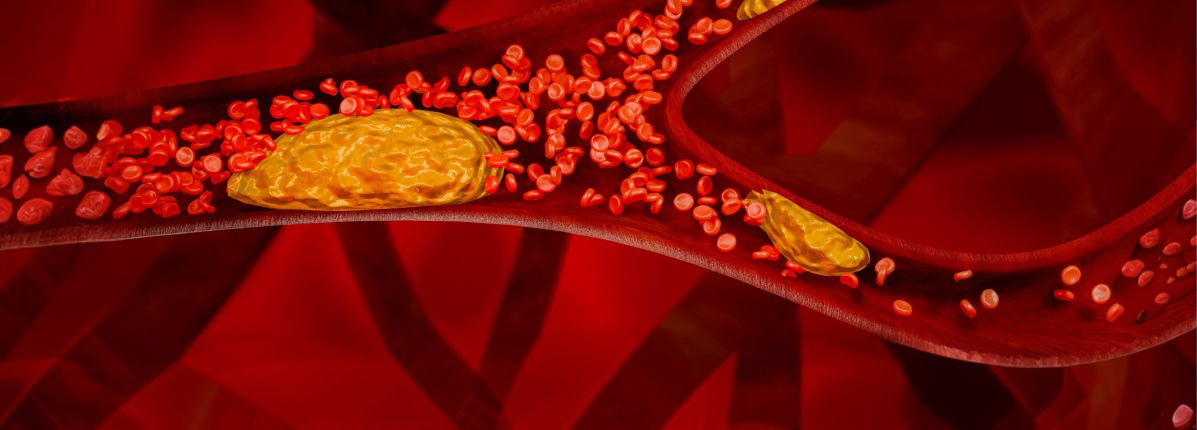
Resulting clots can obstruct blood flow, deprive organs of oxygen, and lead to serious, sometimes fatal outcomes like strokes or pulmonary emboli, which are when blood clots travel through the blood stream to the brain or lungs, respectively. Globally, thrombosis, which occurs when a clot forms inside a blood vessel, contributes to approximately one in four deaths.1

Today’s Treatment Landscape
Millions of people rely on effective standard-of-care anticoagulants to reduce the risk of thrombosis and prevent associated complications like stroke. However, because of how these medications work in the body, there can be an inherent increased risk of bleeding.2
Concerns about bleeding complications have contributed to the under-utilization of these therapies, particularly for those at risk of both clotting and bleeding, such as older adults, people living with cancer, and those who have undergone certain medical procedures.
As a result, many patients remain at elevated risk of bleeding while on treatment or do not receive anticoagulation treatment at all, presenting an urgent need for additional therapeutic options.
Advancing a Novel Approach to Clot Prevention
We are exploring targeting a protein called Factor XI, which our research suggests plays an important role in how clots grow. By blocking this protein, the goal is to reduce the formation and spread of dangerous clots.
To pursue this approach, we’re studying two novel investigational monoclonal antibodies that target distinct domains of Factor XI. Our goal is to potentially offer tailored therapies for patients with different bleeding risk profiles, including those with the highest risk, and in a variety of treatment settings. Phase 2 data on this approach are available, and we are pursuing further research across several Phase 3 trials.
Thrombosis remains a significant global health burden, as many patients still do not fully benefit from existing anticoagulant options.1 By continuing to study Factor XI inhibition, we aim to bring forward new solutions that address critical unmet needs for patients.
References:
- Wendelboe A, Weitz JI. Global Health Burden of Venous Thromboembolism. Arterioscler Thromb Vasc Biol. 2024;44(5):1007-1011. doi: 10.1161/ATVBAHA.124.320151.
- Living Your Best Life While Taking Blood Thinners. National Blood Clot Alliance. Accessed February 10, 2026. https://www.stoptheclot.org/living-your-best-life-while-taking-blood-thinners/.
Share this story


More Regeneron Stories
.jpg)
10 Years of Impact Through Our Global Volunteer Initiative
As Day for Doing Good enters its second decade, we reflect on what it has meant to colleagues and communities.
October 19, 2026

Tapping into Real-World Data for Positive Human Impact
Join us for the latest episode of The Nucleus, exploring how real-world data and genomic insights can improve health.
October 14, 2026
.jpg)
Research & Preclinical Development
A Mission Rooted in Neuroscience
Guided by a founding commitment, powerful insights and novel scientific approaches, we're aiming to address some of the most complicated conditions.
September 25, 2026