
FROM HUMAN DATA TO HUMAN HEALTH
About Regeneron Genetics Center®
Regeneron Genetics Center® (RGC®) harnesses human data to discover new medicines and validate research by leveraging de-identified a database of over 3 million sequenced exomes paired with health data. Using human ingenuity, machine learning and proprietary analytics, RGC discovers biological insights that can shape prevention and treatment approaches for human disease.
Key Takeaways

RGC has created a unique dataset of de-identified human molecular data and health information, and applies advanced technology and scientific expertise to help speed the discovery of potential new medicines.

Through more than 150+ global collaborations and our large, representative database, RGC is building a deeper understanding of human health and disease.

RGC's research has identified genetic changes linked to diseases such as obesity, breast and ovarian cancer, and metabolic dysfunction-associated steatohepatitis (MASH), helping guide the development of potential new treatments.
What is Regeneron Genetics Center?
At RGC, we take human data – molecular data from DNA, proteins and more – and pair it with de-identified health information to discover biological insights driving human health and disease. We turn these insights into potential prevention and treatment approaches, moving beyond genetics through a multiomics approach that helps create a more complete picture of human biology.
We tap into our growing database of more than 3 million sequenced exomes and de-identified health information using proprietary data analytics, technology and human ingenuity to make meaningful biological discoveries that accelerate target-to-trial decisions at speed and scale.
Our high-touch integrated model focuses on collaborations to build a dataset with meaningful cohorts. We use innovative, high-throughput technologies for sequencing, and then we apply advanced technologies, like machine learning and AI, to align with health information and perform large-scale analyses to make meaningful associations between genes and diseases. AI helps us move faster, but the crucial question is always how to generate better results, not just faster ones. We continuously curate and validate our models with human insights, because quality inputs yield quality outputs. As a wholly owned subsidiary of Regeneron, we apply our insights to guide Regeneron’s broader drug discovery and development efforts.
How is RGC building a global database?
Human data is most powerful when they reflect humanity’s broad spectrum of ethnic, racial and genetic diversity. Essential to their creation are global collaborations, which allow us to compile a representative dataset that enables us to uncover meaningful differences, including genetic mutations found only in certain populations that may cause or protect against disease. We are committed to responsibly enhancing representation in our research, as reflected in our 150+ global collaborations.
We treat data as an asset to be carefully curated and protected, because the differentiator is having the right human data at scale and knowing it’s trustworthy.

Historically, genomic research has over-indexed in studying people of European ancestry,1 creating gaps in our understanding of the genetic drivers of disease for other groups of people. With the ultimate goal of speeding up drug discovery and development for everyone, we are working with collaborators to enable access to more cohorts.
Access our genomic databases to learn more about the insights that drive our discoveries:
Mexico City Prospective Study Variant Browser
Genetic variations observed in 9,950 whole genome sequenced individuals and 141,046 exome sequenced and genotyped individuals from the Mexico City Prospective Study (MCPS). Updated as of January 2023.
1 Million Exome (ME) Variant Browser
Allele frequencies for six continental ancestries, stratified by sub-continent and region. Updated as of May 2023.
COVID-19-Related Phenotype Browser
Genetic association analysis of COVID-19 phenotypes from various studies. Updated as of March 2021.
How does RGC turn human data into actionable discoveries?
Genomics has the potential to revolutionize how we approach drug discovery and development to find better ways to treat and prevent disease. Our mission turns that potential into reality, from human data to human health. Pursuing it, we've grown one of the world’s largest, most comprehensive genomic databases.
We're expanding beyond genetics to build a real-time picture of human biology through proteomics, RNA, imaging and real-world clinical data to understand current conditions and predict future outcomes in health.
Guided by data and analytics, our exploration of human genetics leads us to transformative discoveries and, ultimately, the development of cutting-edge therapeutics.
Explore the impact of key discoveries:
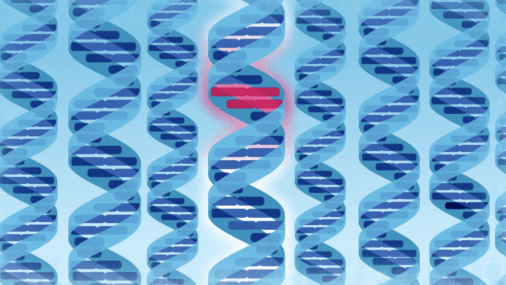
Rare mutation in GPR75 gene associated with reduced risk for obesity
Through the genetic sequencing of nearly 650,000 people, our scientists discovered a rare genetic mutation in the GPR75 gene that is associated with reduced risk for obesity. We are pursuing therapeutic development programs using antibody, RNAi and small molecule approaches.
Missense mutation in BRCA1 gene linked to breast and ovarian cancer
By studying a founder population of Orcadians, we identified a pathogenic missense mutation in the BRCA1 gene, variant V1736A, linked to cases of breast and ovarian cancer.
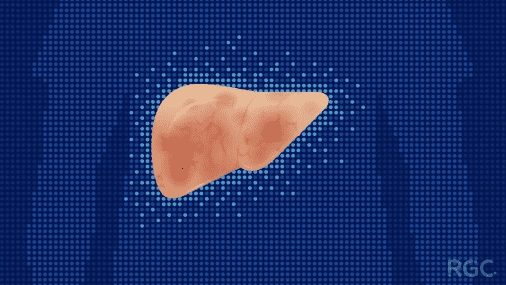
Rare mutations in CIDEB and HSD17B13 genes found to combat metabolic dysfunction-associated steatohepatitis (MASH)
We identified rare mutations in the CIDEB gene and discovered that those with one mutated copy of CIDEB had a 53% lower risk for metabolic dysfunction-associated steatohepatitis (MASH). We are conducting preclinical research to develop a new medicine using an siRNA (gene silencing) approach.
We discovered a mutation in the HSD17B13 gene that protects from liver disease. We are now studying a new RNAi therapeutic, ALN-HSD, targeting HSD17B13 in clinical trials.
What technologies power RGC’s research?
We continuously invest in innovation to maintain quality, even while rapidly growing our team and capabilities. We embrace technology that helps uphold scientific rigor, accelerates our work and enriches our data, so we’re always at the bleeding edge of new insights.
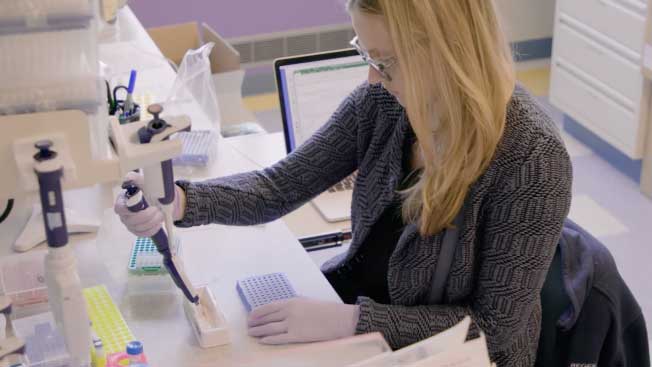
How does RGC’s data technology work?
When it comes to our data technology, our goal is to minimize friction between the data and the insights we’re trying to glean.
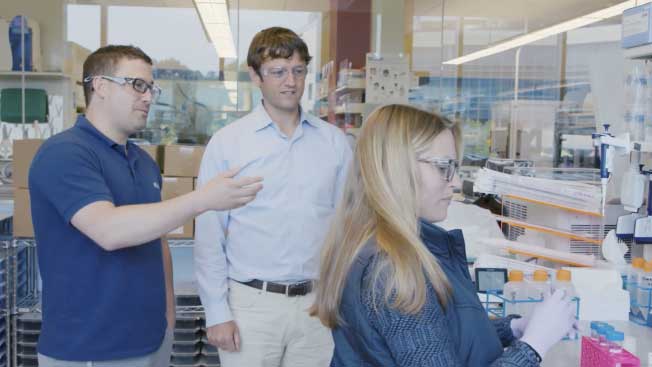
How does RGC approach sequencing?
Our sequencing efforts are growing at a rapid pace, thanks to collaboration amongst teams to streamline the sample preparation and sequencing process.
How does RGC's research impact patients?
Our ultimate goal is to make a positive impact on patients – both in the short-term through results returned via collaborators, and in the longer term by informing research into new medicines.
As we identify interesting findings from our research, we share it with other teams at Regeneron to accelerate our drug discovery and development process. Sometimes this data validates what we've already seen in other ongoing research, and other times it informs new avenues of research for potential therapies. Either way, our genetics research makes us more nimble and targeted when it comes to pursuing new medicines for people with serious diseases.
MyCode saved my life
Barbara Barnes is alive today because she contributed her genetic information to a research project. On her doctor's recommendation, the 58-year-old Hazleton, Pennsylvania, homemaker gave a blood sample in April 2016 to a growing biobank called the MyCode Community Health Initiative. Based at Geisinger Health System in Danville, Pennsylvania, its goal is to help health care professionals develop more targeted, effective treatments for patients. Barnes' DNA joined that of over 150,000 volunteers who are notified if genetic changes are found in their information associated with conditions that can then be treated.
Frequently Asked Questions
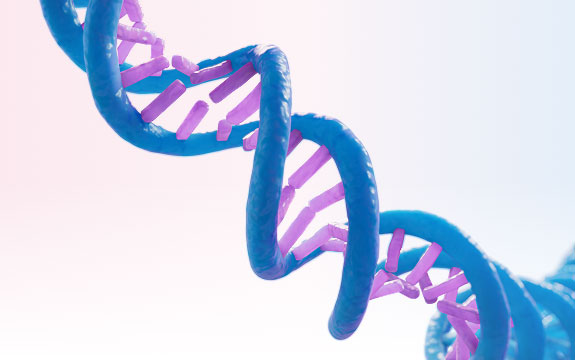
Genomics is the study of all of a person's genes and how they work together with each other and the environment to affect health and disease. By studying genomic data from large groups of people, researchers can better understand why diseases develop, identify potential drug targets and discover new ways to prevent or treat illness. At RGC, genomics helps guide research that supports the development of potential new medicines.
Genetics focuses on individual genes and how they are passed from parents to children. Genomics looks at all of a person's genes together, along with how they interact with each other and with environmental factors. This broader view helps researchers better understand complex diseases and identify new opportunities for developing potential treatments.
An exome is the part of a person's DNA that contains the instructions for making proteins. Although it makes up only about 1% to 2% of the human genome, the exome contains many of the genetic changes that can affect health and disease. Studying exomes from large numbers of people helps researchers identify genetic variants that may increase or reduce the risk of certain diseases.
A genomic database is a secure collection of genetic information that researchers use to better understand human health and disease. When combined with deidentified health information, genomic databases can help scientists discover connections between genes and diseases, identify potential drug targets and improve research. At RGC, these databases support discoveries that help guide Regeneron's drug discovery and development efforts.
People have different genetic backgrounds, and those differences can affect how diseases develop and how treatments work. Including people from different populations helps researchers better understand human biology and discover genetic variants that may not be found in every group. By working with collaborators around the world, RGC is building a more representative database to support research that can benefit more people.
Multiomics is the integration of multiple types of biological data – including genomics, proteomics, transcriptomics (RNA) and other health data – to create a more complete picture of human biology. While genetics can help explain disease risk, a multiomics approach can provide additional insights into what is happening in the body and how health may change over time.
Proteomics is the study of proteins, including their structure, function and interactions. Because proteins can provide insights into disease mechanisms, they are used to support biomarker discovery and drug discovery research. At RGC, proteomic data are studied alongside genetic, clinical and other human data to help better understand disease biology and identify potential opportunities for therapeutic intervention.
Additional Resources
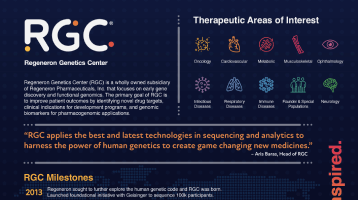
Keep up with RGC’s people, latest news and all things genetics:


References
- Taylor, D.J., Chhetri, S.B., Tassia, M.G. et al. Sources of gene expression variation in a globally diverse human cohort. Nature 632, 122–130 (2024). https://doi.org/10.1038/s41586-024-07708-2.